
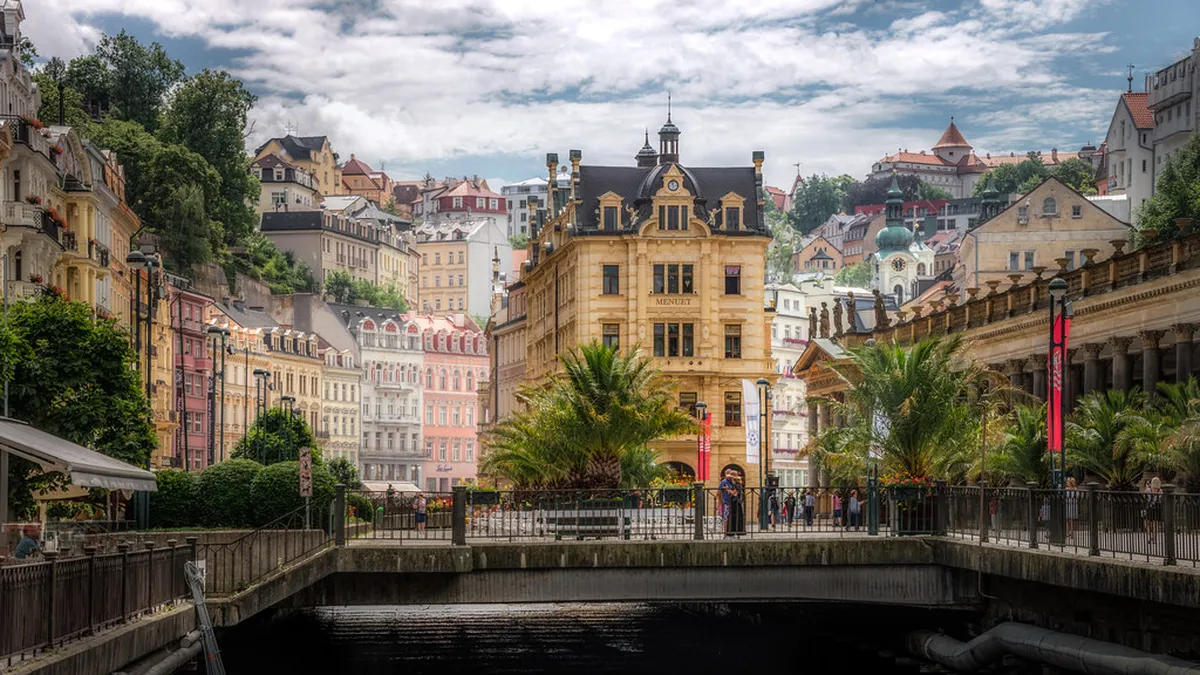
The History of Karlovy Vary Spa Architecture and Landmarks
Karlovy Vary is a jewel of Central Europe. The history of Karlovy Vary spa architecture reflects centuries of luxury and healing. This city is part of the Great Spa Towns of Europe. It earned a spot on the UNESCO World Heritage list. Visitors come for the thermal springs and the stunning buildings. You will see Neo-Renaissance, Art Nouveau, and Functionalist styles here. This guide helps you explore the most iconic structures in the city.
Evolution of the history of Karlovy Vary spa architecture
The city's look changed many times over the centuries. Early spa buildings were mostly made of wood. Frequent fires and floods forced the city to rebuild. In the 19th century, stone and cast iron became popular. This era defined the grand look we see today. Famous architects like Josef Zítek left their mark here.
The architecture was designed to complement the healing process. Wide colonnades allowed guests to walk while drinking spring water. These spaces protected visitors from rain and sun. Today, the city is a living museum of spa culture. You can find more details in our Karlovy Vary sightseeing guide.
Modernist styles appeared in the 20th century. Some people find the contrast between old and new quite striking. Every building tells a story of health and social status. Walking through the streets feels like traveling back in time. It is a unique experience for any history lover.
10 Landmarks of Karlovy Vary Spa Architecture
Explore these specific sites to understand the local heritage. Each location offers a different perspective on spa life. Use this list for your next trip.
- Best overall: Mill Colonnade
- Best for families: Diana Observation Tower
- Best rainy-day: Imperial Spa
- Best free: Park Colonnade
- Name: Mill Colonnade Type: sight Why go: It is the largest and most famous colonnade in the city. Best for: Neo-Renaissance architecture fans. Where: City center near the river. Time: 30 minutes. Cost: Free. Getting there: Walk from the main pedestrian zone. Tip: Look for the 12 statues representing the months of the year.
- Name: Market Colonnade Type: sight Why go: This wooden structure features intricate Swiss-style carvings. Best for: Romantic photos and unique woodcraft. Where: Near the Hot Spring. Time: 15 minutes. Cost: Free. Getting there: Follow the river path south. Tip: Visit at night when the white wood is beautifully lit.
- Name: Park Colonnade Type: sight Why go: It is a stunning example of 19th-century cast-iron architecture. Best for: Garden lovers and casual strolls. Where: Dvořák Park. Time: 20 minutes. Cost: Free. Getting there: Located at the northern end of the spa area. Tip: Try the Snake Spring located right inside.
- Name: Hot Spring Colonnade Type: experience Why go: It houses the Vřídlo, a geyser shooting 12 meters high. Best for: Seeing the power of nature. Where: Divadelní náměstí. Time: 45 minutes. Cost: Free (tours of the underground cost extra). Getting there: Central location, easy to find by the steam. Tip: Read our guide on the Vridlo Geyser for tour info.
- Name: Imperial Spa (Císařské lázně) Type: museum Why go: It was once the most modern spa facility in the world. Best for: Opulent interiors and history. Where: Southern edge of the spa zone. Time: 1-2 hours. Cost: Moderate entry fee. Getting there: A 10-minute walk from Grandhotel Pupp. Tip: Check out the restored Emperor's bathroom.
- Name: Grandhotel Pupp Type: sight Why go: This hotel is a masterpiece of Neo-Baroque design. Best for: Luxury seekers and film buffs. Where: Mírové náměstí. Time: 20 minutes (for exterior). Cost: Free to view; expensive to stay. Getting there: At the very end of the main walking path. Tip: This hotel was a filming location for James Bond's Casino Royale.
- Name: Diana Observation Tower Type: viewpoint Why go: It offers the best panoramic views of the city. Best for: Nature lovers and photographers. Where: On the hill above the city. Time: 1-2 hours. Cost: Tower is free; funicular has a fee. Getting there: Take the funicular from near Grandhotel Pupp. Tip: Walk back down through the forest trails if you have time.
- Name: St. Mary Magdalene Church Type: sight Why go: A prime example of High Baroque architecture in Bohemia. Best for: Religious history and art. Where: Near the Hot Spring Colonnade. Time: 20 minutes. Cost: Free (donations welcome). Getting there: It sits on a hill overlooking the Vřídlo. Tip: Visit the crypt to see the unique ossuary.
- Name: Castle Colonnade Type: sight Why go: It blends Classicist and Art Nouveau elements beautifully. Best for: Quiet atmosphere away from crowds. Where: Above the Market Colonnade. Time: 15 minutes. Cost: Free (limited access to some parts). Getting there: Walk up the stairs from the Market Colonnade. Tip: Look for the relief of the Spirit of the Springs.
- Name: Loket Castle Type: day trip Why go: A medieval fortress located just outside the city. Best for: A change of pace from spa architecture. Where: Loket village (12km away). Time: 3-4 hours. Cost: Entry fee for the castle. Getting there: Take a local bus or train from the main station. Tip: Check the Karlovy Vary railway station for train times.
Planning Your Colonnade Walking Tour
Most visitors start their walk at the Park Colonnade. From there, you can follow the Teplá River south. This path takes you past all the major sights. Wear comfortable shoes as the streets are cobblestone. You can find a detailed colonnades walking guide online. Many people buy a porcelain spa cup to taste the water.
The water is very salty and warm. Each spring has a different temperature and mineral content. Consult a doctor before drinking large amounts for health. Most springs are free to access all day. The city is very safe for tourists at all hours. You can find more travel tips on the Visit Czechia website.
Summer is the busiest season in Karlovy Vary. The International Film Festival in July brings huge crowds. Spring and autumn offer milder weather and fewer people. Winter is beautiful but can be quite cold. Check the local weather before you pack your bags. Always carry some local currency for small purchases.
Frequently Asked Questions
What is the most famous architectural style in Karlovy Vary?
The most famous style is Neo-Renaissance, seen in the Mill Colonnade. However, the city features a mix of Baroque, Art Nouveau, and Modernist styles. This variety is due to the city's long history of rebuilding after fires and floods.
Are the colonnades in Karlovy Vary free to visit?
Yes, all the major colonnades are free to enter. You can walk through them and taste the thermal springs at no cost. Some specific areas, like the underground of the Hot Spring, require a paid guided tour.
Why is Karlovy Vary a UNESCO World Heritage site?
It is recognized as one of the Great Spa Towns of Europe. The city preserves a unique urban landscape designed for spa therapy. This includes its specific architecture, parks, and spring-water distribution systems.
The history of Karlovy Vary spa architecture is truly fascinating. From wooden pavilions to grand stone colonnades, the city is a visual delight. Whether you are drinking the water or admiring the views, you will feel the history. Start planning your trip today by checking the official tourism site. Don't forget to bring your camera for the stunning landmarks!
Official resources
Use these sources for official schedules, tickets, routes, and updates.
- Karlovy Vary Official Tourism — unverified: Official DMO site.
- Statutory City of Karlovy Vary — unverified: Official municipal portal.
- Visit Czechia — unverified: National tourism board.
- UNESCO World Heritage Centre — unverified: Official UNESCO listing for the city.
- Lonely Planet Karlovy Vary — unverified: Tier 3 editorial requirement.