
Exploring the History of Becherovka Herbal Liqueur Production
The history of Becherovka herbal liqueur production is a fascinating tale of alchemy and tradition. It began in 1807 in the beautiful spa city of Karlovy Vary. Today, this bitters-style drink is a symbol of the Czech Republic. Visitors flock here to learn about the secret recipe and the Becher family legacy. In this guide, we explore the best sites to experience this liquid history firsthand.
The Origins of the Famous Czech Liqueur
The story starts with Josef Becher, a pharmacist with a passion for blending herbs. In 1807, he met a British doctor named Christian Frobrig. Together, they developed a medicinal tonic meant to aid digestion. This was the birth of the history of Becherovka herbal liqueur production. The recipe was kept strictly confidential from the very beginning.
By 1838, Josef's son, Jan Becher, took over the family business. He transformed the small pharmacy into a large-scale industrial operation. Jan is credited with building the original factory that still stands today. Taking a Jan Becher Museum tour allows you to see the original cellars. These cool vaults were used for maturing the liqueur in oak barrels.
Modern production still follows the strict rules set over two centuries ago. Only two people in the world know the full herb list today. They mix the ingredients in a secret room once a week. This dedication to tradition ensures that every bottle tastes the same as it did in the 1800s. It remains a cornerstone of Karlovy Vary's industrial heritage.
10 Essential Stops for History of Becherovka Herbal Liqueur Production
To truly understand the brand, you must walk the streets where it grew. These ten locations offer a mix of museums, architecture, and local culture. Each stop highlights a different chapter of the Becher family story. Use this list to plan your perfect historical walking tour through the city center.
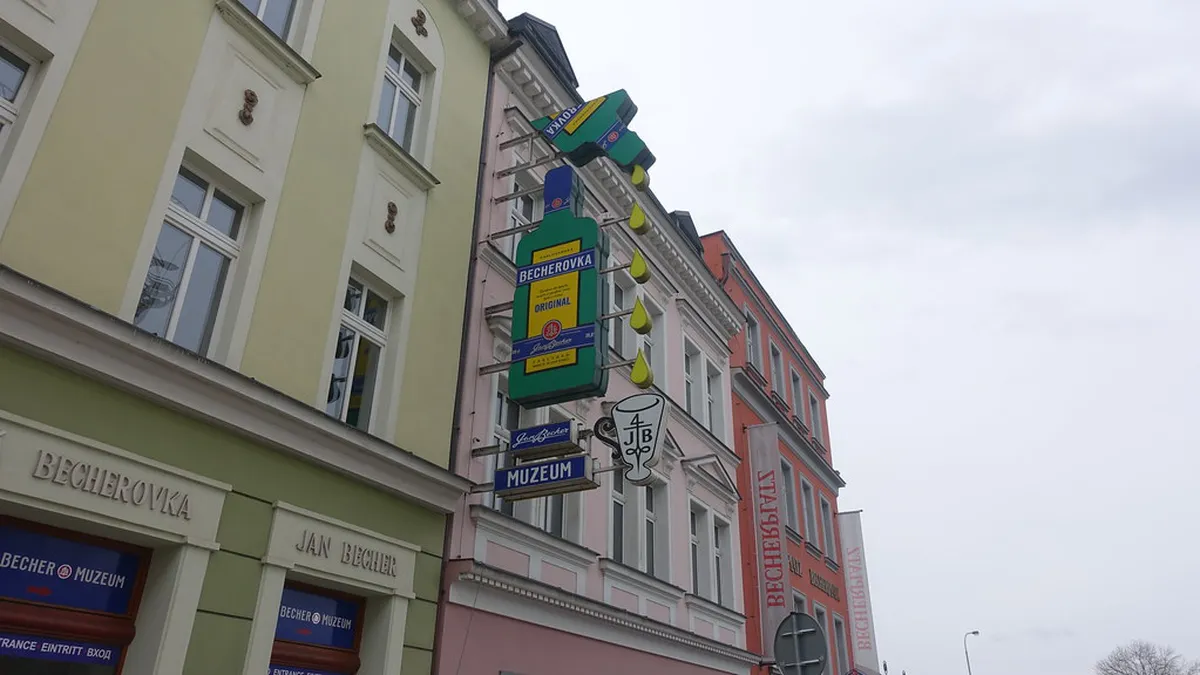
- Name: Jan Becher Museum Type: Museum Why go: This is the heart of the history of Becherovka herbal liqueur production. You can see the original distillation equipment and historic bottles. Best for: History buffs and liqueur fans. Where: T. G. Masaryka 57. Time: 90 minutes. Cost: Moderate. Getting there: A short walk from the main bus station. Tip: Book your tickets online in advance to secure a tasting slot.
- Name: The Original Becher Factory Type: Sight Why go: View the grand 19th-century facade where the liqueur was made for decades. It represents the industrial growth of the Becher empire. Best for: Architecture lovers. Where: Adjacent to the Jan Becher Museum. Time: 15 minutes. Cost: Free (exterior). Getting there: Located in the pedestrian zone. Tip: Look for the historic signage still visible on the stone walls.
- Name: Mill Colonnade Type: Sight Why go: Josef Becher used the local mineral waters as inspiration for his tonic. The Mill Colonnade architecture history is deeply linked to the city's healing reputation. Best for: Iconic photos. Where: City center riverfront. Time: 30 minutes. Cost: Free. Getting there: Follow the Tepla River walk. Tip: Bring a porcelain cup to taste the hot mineral springs.
- Name: Becherplatz Type: Experience Why go: This converted brewery square feels like a 19th-century village. It features a shop, a restaurant, and a cozy atmosphere. Best for: Dining and shopping. Where: Near the Jan Becher Museum. Time: 1-2 hours. Cost: Varies. Getting there: Walkable from most central hotels. Tip: Try the "Becher-inspired" dishes in the onsite restaurant.
- Name: Grandhotel Pupp Type: Experience Why go: This luxury hotel has served Becherovka to celebrities for over a century. It is the best place to enjoy a "Beton" cocktail in a historic setting. Best for: Luxury and cocktails. Where: Southern end of the spa zone. Time: 1 hour. Cost: High. Getting there: Take a local bus or walk the promenade. Tip: Visit the Malá Dvorana bar for the most authentic experience.
- Name: Market Colonnade Type: Sight Why go: This wooden structure stands over the Charles IV Spring. It represents the old-world charm that the Becher family enjoyed. Best for: Historic atmosphere. Where: Near the Town Theater. Time: 20 minutes. Cost: Free. Getting there: Centrally located in the spa district. Tip: Check out the relief carving depicting the discovery of the springs.
- Name: Diana Observation Tower Type: Viewpoint Why go: Get a bird's-eye view of the city and the surrounding forests. These woods provide the water and herbs central to the liqueur. Best for: Nature and views. Where: On the hill above Grandhotel Pupp. Time: 1-2 hours. Cost: Low (funicular fee). Getting there: Take the funicular from behind Grandhotel Pupp. Tip: Walk back down through the forest trails if you have time.
- Name: Moser Glassworks Type: Museum Why go: Becherovka is often served in high-quality Czech glass. The Moser Glassworks visitor guide explains the craft of luxury crystal. Best for: Craftsmanship enthusiasts. Where: Kpt. Jaroše 46. Time: 2 hours. Cost: Moderate. Getting there: Take bus number 1 or 22. Tip: The museum shop offers unique glassware you won't find elsewhere.
- Name: Loket Castle Type: Day trip Why go: A medieval castle just 15 minutes away. It shows the ancient history of the region that shaped the Becher family's world. Best for: Families and history fans. Where: Loket nad Ohří. Time: Half-day. Cost: Moderate. Getting there: Short train or bus ride from Karlovy Vary. Tip: Visit the torture chamber exhibit for a bit of dark history.
- Name: Slavkov Forest (Slavkovský les) Type: Nature Why go: This protected area is the source of the pure water used in production. Its biodiversity inspired the herbal blends of the early 1800s. Best for: Hikers. Where: Surrounding the city. Time: 3-4 hours. Cost: Free. Getting there: Accessible via numerous trailheads from the city. Tip: Follow the green-marked trails for the best forest scenery.
Planning Your Historic Visit to Karlovy Vary
Karlovy Vary is part of the Great Spa Towns of Europe. This UNESCO World Heritage site is easy to navigate. Most historical sites related to Becherovka are within walking distance of each other. The city is most beautiful in late spring and early autumn. During these times, the weather is perfect for walking between colonnades.
When visiting the museum, remember that the history of Becherovka herbal liqueur production is still active. The museum is popular, so morning tours are usually quieter. You can find more information on the Karlovy Vary Official Tourism website. They provide updates on local events and festivals. Many visitors combine their tour with a visit to the local thermal baths.
Public transport in the city is very reliable. Buses connect the main train station to the spa zone frequently. If you are staying in the center, you likely won't need a car. Walking is the best way to soak in the 19th-century atmosphere. Always keep a bottle of water with you while exploring the hilly terrain.
Frequently Asked Questions
What is the history of Becherovka herbal liqueur production?
Becherovka production began in 1807 as a medicinal tonic created by Josef Becher and Dr. Frobrig. It evolved into a commercial liqueur under Jan Becher in 1838. The secret recipe of 20 herbs and pure Karlovy Vary water has remained unchanged for over 200 years.
Can I visit the place where Becherovka is made?
You can visit the Jan Becher Museum, which is located in the original factory building. While the modern production facility is closed to the public for safety, the museum offers a detailed look at the historic cellars and the traditional bottling process used in the past.
The history of Becherovka herbal liqueur production is more than just a drink story. It is a journey through the heart of Bohemian culture and industrial pride. From the secret herb rooms to the grand colonnades, Karlovy Vary offers a unique glimpse into the past. For more ideas on what to see, check out our guide to cultural attractions in Karlovy Vary. Start planning your 2026 trip today and taste the legacy for yourself.
Official resources
Use these sources for official schedules, tickets, routes, and updates.
- Karlovy Vary Official Tourism — unverified: Official DMO site.
- Statutory City of Karlovy Vary — unverified: Official municipal portal.
- Visit Czechia — unverified: National tourism board.
- UNESCO World Heritage Centre — unverified: Official UNESCO listing for the city.
- Lonely Planet Karlovy Vary — unverified: Tier 3 editorial requirement.
- Karlovy Vary Airport — unverified: Official airport authority.