
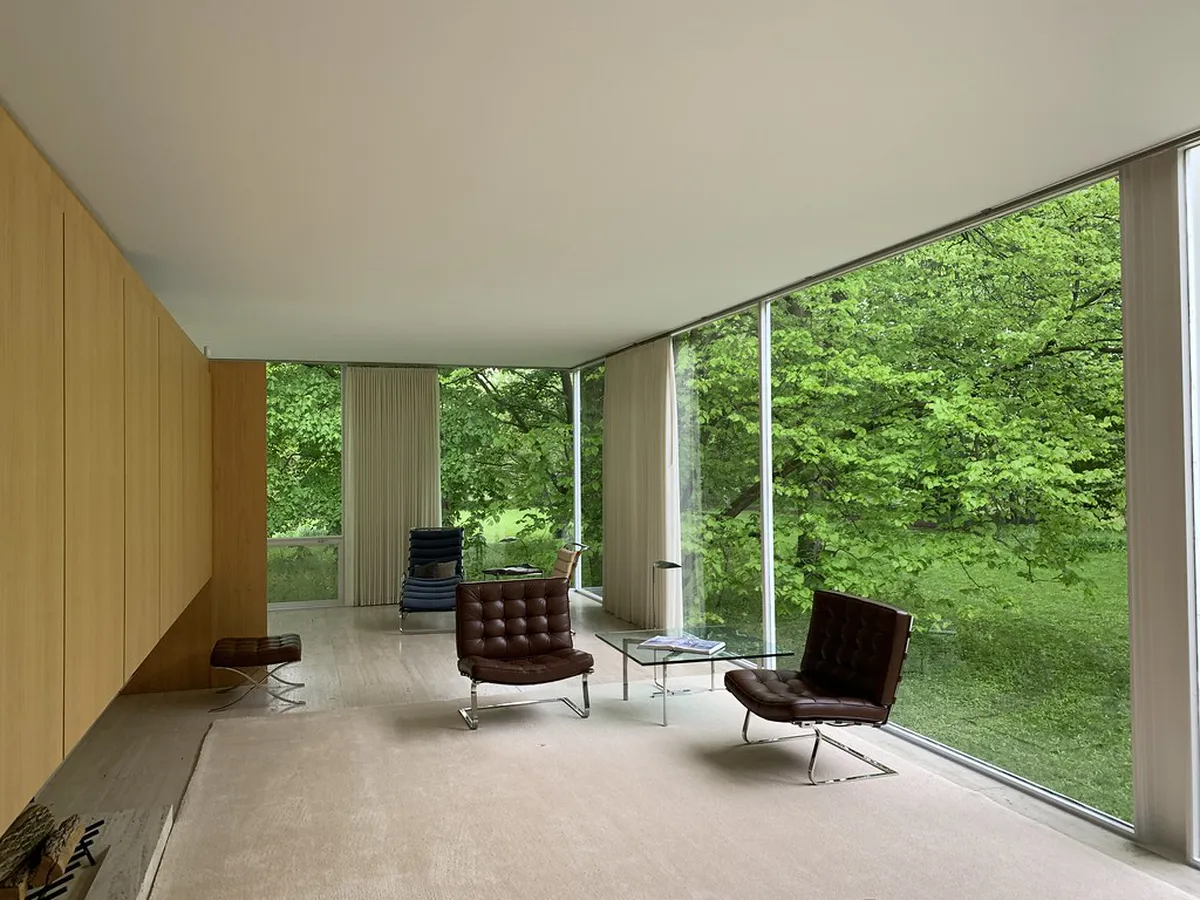
Exploring the History of Mies van der Rohe in Brno
Brno is a world capital of modern architecture. The history of Mies van der Rohe in Brno began in the late 1920s. He arrived to design a home for the Tugendhat family. This project changed the face of the city forever. Today, Brno remains a pilgrimage site for fans of clean lines and open spaces. You can see his influence in many local buildings. This guide highlights the best places to experience this legacy.
Tracing the History of Mies van der Rohe in Brno
Ludwig Mies van der Rohe was a pioneer of modernism. In 1928, Greta and Fritz Tugendhat commissioned him to build their villa. He had a vision for "flowing space" and used expensive materials like onyx. This house became a UNESCO World Heritage site later on. It represents the peak of the functionalist movement in Central Europe. The history of Mies van der Rohe in Brno is tied to this single masterpiece.
However, the city was already a fertile ground for new ideas. Local architects were experimenting with steel and glass. Mies found a community that valued progress and industry. His work inspired many other buildings in the neighborhood. You can still feel this creative energy in the streets today. Understanding this history helps you appreciate the city's unique look. It is more than just one house; it is an entire era.
10 Essential Stops for Modernist Architecture Fans
To truly understand the history of Mies van der Rohe in Brno, you must visit these sites. Some are directly related to him, while others show the wider context. Use this list to plan your route through the city. Many of these are top cultural attractions in Brno for history lovers.
- Best overall: Villa Tugendhat
- Best for families: Villa Löw-Beer
- Best rainy-day: Moravian Gallery
- Best free: Brno Exhibition Centre (exterior)
- Name: Villa Tugendhat Type: Sight Why go: This is the only building Mies designed in the city. It is a total work of art. Best for: Architecture purists. Where: Černá Pole neighborhood. Time: 2 hours. Cost: Moderate to high. Getting there: Tram 9 or 11 to Tomanova. Tip: You must book tickets in advance months ahead.
- Name: Villa Löw-Beer Type: Sight Why go: This was the home of Greta Tugendhat’s parents. It provides context for the family's history. Best for: History buffs. Where: Right next to Villa Tugendhat. Time: 1 hour. Cost: Low. Getting there: Walk from Villa Tugendhat. Tip: The garden connects to the Tugendhat property for a small fee.
- Name: Brno Exhibition Centre (BVV) Type: Experience Why go: A massive complex of functionalist pavilions from 1928. It shows the city's industrial power. Best for: Large-scale design fans. Where: Pisárky district. Time: 1-3 hours. Cost: Varies by event. Getting there: Tram 1 to Výstaviště. Tip: Check the official tourism portal for event schedules.
- Name: Villa Stiassni Type: Sight Why go: A luxurious villa designed by Ernst Wiesner. It features a stunning L-shaped layout. Best for: Garden lovers. Where: Hroznová street. Time: 1.5 hours. Cost: Moderate. Getting there: Bus 52 to Hroznová. Tip: The interiors are beautifully preserved from the 1930s.
- Name: Era Café Type: Experience Why go: A fully restored functionalist café. You can eat and drink inside a work of art. Best for: Coffee breaks. Where: Černopolní street. Time: 1 hour. Cost: Price of a meal. Getting there: Short walk from Villa Tugendhat. Tip: Look at the spiral staircase; it is a famous design feature.
- Name: Hotel Avion Type: Sight Why go: One of the narrowest hotels in Europe. It is a masterpiece of space-saving design. Best for: Urban explorers. Where: City center (Česká street). Time: 15 minutes (exterior). Cost: Free to view. Getting there: Any tram to Česká. Tip: The ground floor often has a small exhibit about its history.
- Name: Alfa Passage Type: Experience Why go: A historic shopping arcade with functionalist elements. It connects several city streets. Best for: Shopping and atmosphere. Where: Near Liberty Square. Time: 30 minutes. Cost: Free. Getting there: Walk from the main square. Tip: Look up to see the glass ceilings and geometric patterns.
- Name: Moravian Gallery (Governor's Palace) Type: Museum Why go: While the building is older, the gallery holds modern design exhibits. It explains the local art scene. Best for: Art lovers. Where: Moravské náměstí. Time: 2 hours. Cost: Moderate. Getting there: Tram to Moravské náměstí. Tip: Visit the design shop for unique local souvenirs.
- Name: Brno Central Cemetery Type: Sight Why go: Many famous architects are buried here in modernist tombs. It is a peaceful, artistic space. Best for: Quiet reflection. Where: Vídeňská street. Time: 1 hour. Cost: Free. Getting there: Tram 2 or 5 to Ústřední hřbitov. Tip: Use the official cemetery site to find specific grave locations.
- Name: Špilberk Castle Type: Viewpoint Why go: To see the contrast between the old fortress and the modern city. It offers the best panoramic views. Best for: Photographers. Where: On the hill above the center. Time: 2 hours. Cost: Moderate for interiors; free for grounds. Getting there: Walk up from Husova street. Tip: Go at sunset to see the functionalist villas glowing in the distance.
Practical Planning for Your Architecture Tour
Planning is vital for exploring the history of Mies van der Rohe in Brno. The most important step is booking your Villa Tugendhat visiting guide early. Tours sell out three to four months in advance. If you miss out, you can still visit the gardens without a tour. This allows you to see the famous glass facade from the outside. It is a great alternative for last-minute travelers.
Most architectural sites are in the Černá Pole or Pisárky districts. Brno has an excellent tram system that connects these areas. You can buy a 24-hour pass for easy travel. Wear comfortable shoes because you will do a lot of walking. Many villas are located on hills or in quiet residential zones. Spring and autumn are the best seasons for visiting. The weather is mild, and the gardens look beautiful then.
Frequently Asked Questions
Who was the architect of Villa Tugendhat in Brno?
Ludwig Mies van der Rohe was the architect of Villa Tugendhat. He designed it between 1928 and 1930 for Greta and Fritz Tugendhat. It is considered one of his most important works. The building is famous for its steel frame and use of rare materials.
Can I visit Villa Tugendhat without a reservation?
No, you usually cannot enter the interior without a reservation. Guided tours are very popular and book up months in advance. However, you can often buy a ticket to enter the garden on the day of your visit. This offers a great view of the exterior.
Why is Brno famous for functionalist architecture?
Brno became a center for functionalism due to its rapid industrial growth. The city's wealth attracted talented architects who wanted to modernize. Projects like the Brno Exhibition Centre and Villa Tugendhat set a high standard. Today, the city preserves dozens of these unique 20th-century buildings.
The history of Mies van der Rohe in Brno is a fascinating tale of innovation. By visiting these ten sites, you see how modernism shaped the city. From the iconic Villa Tugendhat to the narrow Hotel Avion, the legacy is everywhere. Start your journey by booking your tickets early to avoid disappointment. For more tips on local landmarks, check out our guide to cultural attractions in Brno. Enjoy your architectural adventure in 2026!
Official resources
Use these sources for official schedules, tickets, routes, and updates.
- Go To Brno — Official tourism portal; unverified source.
- City of Brno — Official municipal portal; unverified source.
- UNESCO World Heritage - Villa Tugendhat — International heritage designation; unverified source.
- Lonely Planet Brno — Major editorial travel guide; unverified source.
- Visit Czechia — National tourism board; unverified source.